SUNGO DC AC inverter SUN2000G2 is off grid solar inverter which transforms the solar energy (DC) to conventional power(AC) Off Grid Inverters work with 12V or 24V,48V-1440V Battery packs and can change over at a power of =1MW for certain models. Those inverters are important to change the direct current (DC) electricity that solar panels produce into alternating current (AC) electricity that can be used to power homes, businesses and other buildings. Let's look at the benefits of off grid solar inverters and some wholesale solutions for anyone interested in investing in this clean energy option.
Off-grid solar inverters are suited for powering standby systems and can power homes not hooked up to public grid, like electricity posts in remote area. This is perfect for cabins and RV Furthermore, off-grid inverters will also work with battery storage systems by which you can save any extra electricity produced during the day to be used at night or when the sun isn't shining. Solar Power Optimizer
Off-grid solar inverters are also flexible and scalable, making it simple for users to grow their solar power system as demand requires. This also implies that as the demand for energy increases, it can sustainably be met by installing more solar panels and batteries to the system without significant changes made to what is already in existence. This scalability is what makes off-grid inverters an affordable option for the long run if you want to break free of dependence on the electrical grids.
<p>off-grid solar inverters offer a host of advantages such as affording independence from grid electricity, being scalable, reliable and cost-effective. By checking out the wholesale deals from SUNGO and other reputable manufacturers, both people and companies can get their hands on top-grade inverters at all time low prices making it easier for more organisations to invest in sustainable energy production across multiple industries.
There are a few common problems that users will experience with an off-grid solar inverter. One of the most common issues is the inverter being overloaded. This occurs when the inverter is loaded with a large number of appliances, which can cause the system to shut down object destruct. In order to avoid this problem, make sure you calculate your power needs of the appliances and leave some variety of room on the inverter so don't plug appliances for which cannot handle.

Power control is another frequent problem. Off grid solar inverters use batteries to store excess power for use in the absence of sunlight. They might loose their capacity over the time if they are not well maintained. They can affect system overall efficiency due to aging. JG: Taking care of some routine maintenance, such as refilling the water in flooded lead-acid batteries or checking the state of charge on lithium-ion batteries, is necessary to keep the system functioning properly.
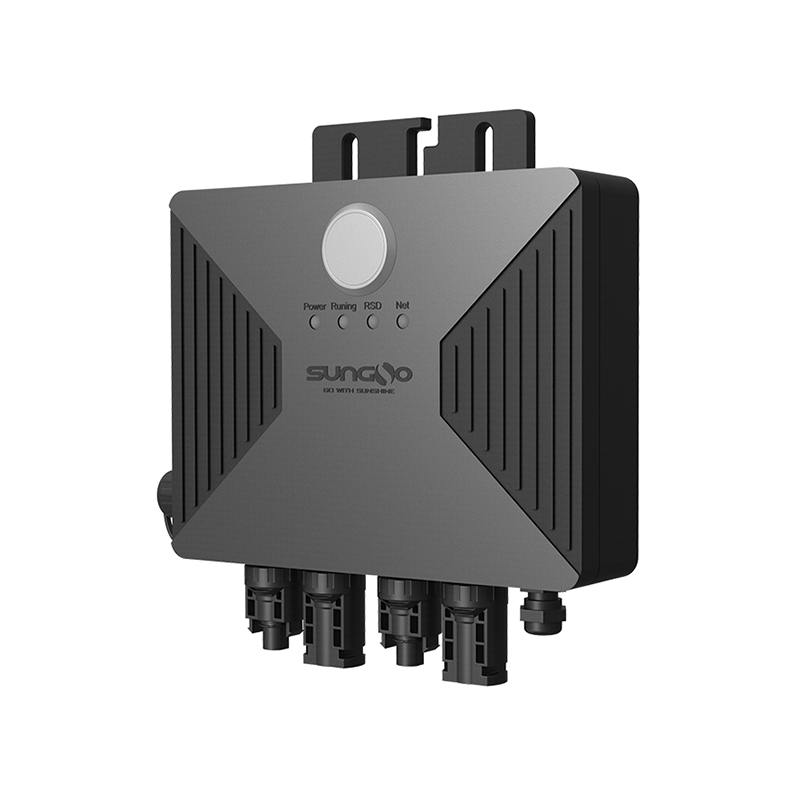
In terms of FAQs for off grid solar inverters, we get asked a fair bit how do you size an inverter for your system. The inverter capacity you require will be based on the total power your appliances draw (as well as the peak power output of your solar panels). One must be sure that the inverter is of a size to handle the total power supply necessary for your application Otherwise, it would easily get damaged due to overloading.
Since our inception, our products have been sold to over 30 countries and off grid solar inverter around the globe. To help our clients better, we adheres to the off grid solar inverter of localized operations and services, and has established regional subsidiaries in the Netherlands, Japan and the USA. In the near future we plan to establish service and sales branches throughout the UK and other countries.
SUNGO is dedicated to providing renewable energy solutions for clients around the off grid solar inverter. Our broad range of products and services MLPE products includes solar systems with high efficiency, smart optimizers, as well as storage for energy (ESS) which are designed to help you harness the potential of sunlight.
SUNGO Energy Technology focuses on the development and application of storage and PV for the user side products, and is committed to providing clients around the world with excellent performance, leading-edge PV + storage technology and extensive energy solutions. Our product line includes intelligent optimizers and lithium-ion energy storage systems. We cover the entire industrial chain to meet the demands of customers. We will continue to off grid solar inverter in RD to increase our competitive advantages and offer products that are simpler to install and maintain.
We will provide you with off grid solar inverter and the best after-sales services. Now we have built our relationship in many overseas countries like Brazil, Holland, Pakistan, Japan, Poland, German and other Asia and Africa countries. This makes our after-sales service extremely simple and efficient to reach you. Also our 24/7 online enquiry service is accessible.

We also post our resources on social media. Follow us!
Contact (Position): Fascinatio Boulevard 708-8530 2909 VA Capelle aan den IJssel, The Netherlands
Phone: +31 (0) 634 885 233
Email: [email protected]
Copyright © Sungo Energy Technology (Jiangsu) Co., Ltd All Rights Reserved
 EN
EN
 AR
AR
 CS
CS
 NL
NL
 FR
FR
 DE
DE
 IT
IT
 JA
JA
 PT
PT
 ES
ES
 TH
TH
 TR
TR


