
 EN
EN
 AR
AR
 CS
CS
 NL
NL
 FR
FR
 DE
DE
 IT
IT
 JA
JA
 PT
PT
 ES
ES
 TH
TH
 TR
TR
Understanding the Effects of Weather and Seasons on Solar Panel Output
Weather plays a big part in how well solar panels perform for homes. When it is sunny, panels generate a lot of energy, but during rain, snow, or cloudy days, the power output drops significantly. This variation matters greatly for families who depend on solar power to run their homes. At SUNGO, we understand how these weather shifts affect your home solar setup, and knowing about the weather's impact on panel output helps you handle your energy needs much better. Seasons change, and the weather changes with them; summer brings long hours of bright sun, so solar panels work incredibly well and absorb a lot of sunlight, meaning more power for the home and lower energy bills for the family. Winter brings cold temperatures and shorter days, but panels still perform okay if they are clean and set at the right angle, and even though snow cover blocks light, it usually melts fast so the sun can come back. Spring has many rainy days that reduce production, while fall offers a mix of cloudy and sunny days, meaning that solar generation will always vary, but understanding these seasonal patterns helps families plan their solar use to ensure they have power all year round. Daily weather shifts also affect energy production, as sunny days are great, cloudy days slow it down, and partly cloudy days allow panels to catch some sun but not full power. Rain lowers output too, but on the bright side, rain washes dirt off the panels so they work much better afterward, and windy days help keep them clean to grab more light. At SUNGO, we want families to know that even in bad weather, solar panels are a great pick because planning for these changes is key; if a cloudy week is coming, you can save some power for later, and understanding these weather effects helps you get the maximum from your system so you can enjoy solar benefits year-round
Understanding Usual Problems Solar Panels Have in Extreme Weather
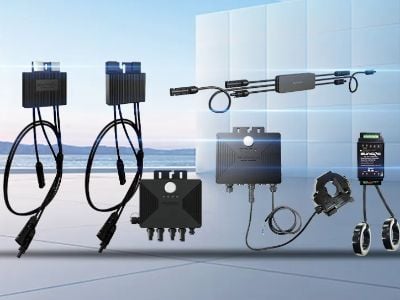
solar power optimizer panels are great for turning the sun into home power, but trouble can come when the weather gets really bad. During heavy snowstorms, thick snow can cover the panels and block sunlight from reaching them, meaning no electricity is made and the home might lack power on those specific days. Strong winds can also shake the panels, which sometimes causes loose components or physical damage. Rainfall brings mixed results, as a light rain cleans them nicely, but heavy flooding can be bad for the electrical parts. At SUNGO, we make our panels incredibly strong to handle extreme weather conditions much better than others, but homeowners should still check their systems after a storm for any snow, debris, or damage, because taking the time to check helps the panels last longer and work correctly
Factors That Affect Solar Panel Work in Hot and Cold Weather
Temperature has a big effect on solar optimiser panel efficiency, and even though you might think more sun and hot weather mean better performance, too much heat actually makes the panels less efficient. High heat changes the internal properties of the materials, which lowers the total power output. Cold weather can actually help because panels work very well in cool conditions, but if ice and snow cover them, production will stop completely. Solar panels are built to handle a wide range of temperatures, but extreme spikes will always hit the output, which is why SUNGO uses specialized materials so our panels keep making power in both extreme heat and extreme cold. You should also think carefully about where you put your panels, as finding a good spot ensures you get plenty of sun with less temperature interference, allowing you to enjoy solar energy all year round, whatever the weather
Where to Get Good Solar Panels for All Weather
When picking solar optimizer panels, it is important to choose high-quality ones, especially if your area experiences highly variable weather. You want a system that will last a long time and work through sun, rain, wind, and snow, which is why SUNGO offers panels built for different weather conditions, all thoroughly tested for toughness and high performance. You can read reviews to know how they perform in various climates, or you can ask a SUNGO expert to help find the best fit for your local weather. It is also smart to check the warranty so you know it can be fixed if a problem comes up, and ensuring the right installation is key because SUNGO installers set up the system to work best in all weather conditions, helping you choose the right experts and get clean solar energy rain or shine.