
 EN
EN
 AR
AR
 CS
CS
 NL
NL
 FR
FR
 DE
DE
 IT
IT
 JA
JA
 PT
PT
 ES
ES
 TH
TH
 TR
TR
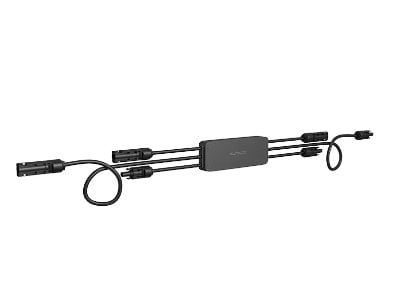
Solar energy is becoming increasingly important as people search for clean and renewable power sources. At SUNGO, we develop solar optimizer systems that help solar panels perform more efficiently. These systems need to connect with various data links. Data links act like bridges, allowing different parts of the system to communicate with each other. Understanding which data links are most important can help improve solar optimizer performance and maximize energy production.
How Data Links Affect Solar Optimizer Performance?
Data links play a major role in how well solar optimizer systems perform. When solar panels generate electricity, they send information to the optimizer. If the data link is slow or unreliable, the optimizer cannot make the best decisions. For example, if it does not receive real-time information about the energy produced by each panel, it cannot quickly adjust the system to maximize energy collection. This can reduce the total amount of electricity generated.
Imagine a classroom where students pass notes to each other. If the notes are delayed or mixed up, important information can be missed. The same thing happens with solar systems. When data flows smoothly between the solar panels and the optimizer, the entire system performs more efficiently. There are different types of data links, including wired and wireless connections. Each has its own advantages and disadvantages. Wired connections are generally more reliable but can be more difficult to install. Wireless connections offer greater flexibility but may experience interference or signal loss over long distances. Solar power optimizer
At SUNGO, we believe that choosing the right data links leads to better energy production. When the system receives accurate and timely information, it can make smarter decisions. For example, if one solar panel becomes shaded by a tree, the optimizer can adjust its output while allowing the other panels to continue operating efficiently. This improves the overall performance of the solar system and helps maximize energy generation.
How to Integrate Data Links Effectively in Solar Optimization Projects?
Integrating data links into solar optimization projects is essential for success. The first step is identifying which type of data link best suits the project. This depends on the type of solar panels being used and the installation location. For example, in remote areas without reliable internet access, wired connections may be the best option. In urban locations with strong network coverage, wireless technology may offer greater flexibility.
Next, thorough testing is very important. Before completing the full installation, small-scale tests can confirm that data is flowing correctly between devices. Detecting and fixing problems early saves both time and money. It is also important to keep users informed throughout the installation process. Providing proper training ensures that workers understand how to install, operate, and maintain the data links correctly. Solar system
Finally, regular maintenance is essential. Data links can wear out or develop issues over time. Routine inspections help ensure that everything continues to operate smoothly. At SUNGO, we encourage our customers to take a proactive approach to maintaining their systems. By keeping every component including the data links in excellent condition, solar optimizers can deliver reliable and efficient performance for many years.
Solar energy is the future, and choosing the right data links can make a significant difference. By selecting reliable connections and maintaining them properly, we can help more people enjoy the benefits of clean, renewable energy.
What Are the Best Data Links for Maximum Solar Output?
To achieve the highest possible solar energy output, systems need reliable and efficient data links. A data link acts as a communication bridge between different parts of the solar system. When solar panels generate electricity, they send information about energy production and system performance to the optimizer. Portable Power Station
One of the most widely used communication protocols is Modbus. Modbus allows devices to exchange information quickly and efficiently, making it easier to monitor important data such as power generation, energy consumption, and system status. Another valuable technology is the Internet of Things (IoT). IoT connectivity allows solar panels and optimizers to connect to the internet, enabling real-time monitoring from a smartphone, tablet, or computer. With SUNGO's solar optimizers, these communication technologies help maximize energy production by ensuring the system responds quickly to changing conditions, such as cloud cover or increased energy demand. As a result, the system can continue producing the highest possible amount of energy under varying conditions.
Where to Find High-Quality Data Links for Solar Optimizers?
Finding high-quality data links for solar optimizers is essential for achieving reliable performance. One of the best places to begin is online. Many companies specialize in solar technology and offer communication products specifically designed for solar energy systems. It is important to choose trusted suppliers because low-quality data links can reduce system reliability. Reading customer reviews is a great way to evaluate product quality before making a purchase.
Another excellent option is attending solar industry trade shows and exhibitions. These events showcase the latest technologies and allow you to speak directly with industry experts. They can recommend communication solutions that work well with SUNGO solar optimizers.
Local solar equipment suppliers are also valuable resources. They understand the products they sell and can recommend compatible, high-quality data links for your installation. Choosing compatible communication equipment helps ensure smooth system integration and reliable operation. Investing in quality data links not only improves performance but also makes monitoring and managing your solar system easier, helping save money over the long term.
How to Solve Common Problems in Solar Optimizer Data Integration?
Integrating data into solar optimizer systems can sometimes be challenging, but most issues can be resolved with proper planning. One common problem is compatibility between different devices. If the communication protocols are not compatible, data errors may occur, leading to inaccurate system information. To avoid this, always choose communication products specifically designed for solar applications, such as those recommended by SUNGO.
Another challenge is managing large amounts of incoming data. Too much information can make it difficult to identify the most important system metrics. This can be addressed by prioritizing essential data, such as energy production and system performance, while scheduling less critical information to be reviewed less frequently. Solar Panel
Proper training is also important. Users should understand how the system operates and how to monitor its performance. Training sessions help operators become more confident in managing the equipment. If technical issues arise, the SUNGO support team is available to provide assistance and resolve problems quickly.
By understanding these common challenges and preparing for them in advance, users can ensure their solar optimizers continue operating efficiently, maximizing energy production while reducing operating costs.
Table of Contents
- How Data Links Affect Solar Optimizer Performance?
- How to Integrate Data Links Effectively in Solar Optimization Projects?
- What Are the Best Data Links for Maximum Solar Output?
- Where to Find High-Quality Data Links for Solar Optimizers?
- How to Solve Common Problems in Solar Optimizer Data Integration?