
 EN
EN
 AR
AR
 CS
CS
 NL
NL
 FR
FR
 DE
DE
 IT
IT
 JA
JA
 PT
PT
 ES
ES
 TH
TH
 TR
TR
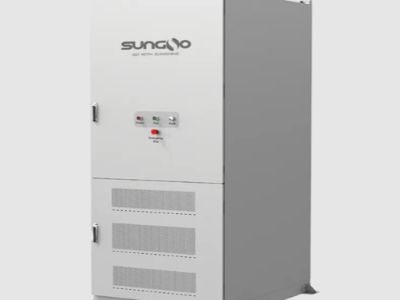
More people are turning to solar energy in 2026. This surge is happening because of the growing need for clean, reliable power. Climate change concerns are encouraging families and businesses to look for energy solutions that do not harm the planet. Companies like SUNGO help make solar energy simple to use. You can install panels on homes and buildings, allowing people to generate their own power. It is a win-win situation. It saves money on electricity bills and reduces the use of fossil fuels. People want more options, and combining off-grid with on-grid systems is becoming very popular
Why Off-Grid and On-Grid Solar Systems Are the Future of Green Energy
Solar energy is one of the best ways to generate clean power. Off-grid systems allow you to produce electricity without connecting to the utility grid. This is a great option for remote areas or for people who want energy independence. They store power in batteries for use at night or during cloudy weather. On-grid systems connect to the utility grid, allowing you to use solar power while selling excess electricity back to the grid. This can help save a lot of money. Many people choose a combination of both systems. For example, a family may use an on-grid system to sell excess energy while keeping an off-grid battery backup for emergencies. This flexibility is one reason why more people are choosing solar energy. Technology is also becoming more advanced, more affordable, and easier for homeowners to install. SUNGO continues to develop innovations. In the future, solar energy will play a major role in powering our lives
What to Think About When Choosing Off-Grid vs. On-Grid Solar
Choosing between an off-grid and an on-grid Solar system can be challenging. First, consider where you live. If you live in a city with reliable electricity, an on-grid system may be the better choice because you can save money and sell excess energy back to the grid. However, if you live far from the utility grid, an off-grid system is often the better option. Next, think about your budget. Off-grid systems usually cost more because they require batteries. On-grid systems can provide long-term savings by allowing you to sell excess electricity back to the grid. You should also consider your energy needs. If you use a lot of electricity, you may need a larger system. Check your local regulations as well, since some areas have rules that affect solar installations. Finally, think about future changes, such as a growing family or purchasing new appliances. SUNGO can help you choose the right system for your needs. Whether you want complete independence or a grid-connected solution, there is a solar option for you
Key Advantages of Off-Grid vs. On-Grid Solar Systems
Solar energy is becoming increasingly popular in 2026. There are two main types of systems: off-grid and on-grid, and each offers unique benefits. An off-grid system is like having your own independent power source. It generates electricity without relying on the utility grid. It is ideal for remote locations or for people who value energy independence. Even during a power outage, you still have electricity. Batteries store solar energy for use at night or on cloudy days. An on-grid system is different because it connects to the utility grid. You use solar power whenever possible and rely on the grid when needed. Any excess electricity can be sent back to the grid, allowing you to earn bill credits and reduce your electricity costs. On-grid systems are also generally less expensive to install because they do not require large battery banks. Both systems are environmentally friendly because they reduce the use of fossil fuels that contribute to pollution. SUNGO can help you choose the system that best fits your needs, whether off-grid or on-grid. More people are excited about solar system energy because it provides reliable power while helping protect the environment. Understanding the advantages of each system makes it easier to choose the right one
How Off-Grid and On-Grid Solar Save Money Long Term
Everyone wants to save money, and both off grid and on grid solar system can help. Off-grid systems require a higher initial investment because of the batteries, but they save money over time since you no longer pay monthly electricity bills. Once the system has paid for itself, the energy from the sun is essentially free. That means more money for other expenses. On-grid systems usually cost less to install. You use solar power while keeping the utility grid as a backup, so you buy less electricity and reduce your monthly bills. In many areas, government incentives or rebates can lower installation costs even further. Plus, selling excess electricity back to the grid can earn bill credits, which provide additional savings. Over the long term, both systems offer excellent value. With SUNGO, you can choose the option that best fits your budget and lifestyle. Whether you prefer the independence of an off-grid system or the savings of an on-grid system, solar energy is good for both your wallet and the environment
Best Markets for Off-Grid and On-Grid Solar in 2026
In 2026, interest in solar energy continues to grow around the world, but some markets are leading the way. Off-grid systems are especially popular in rural areas with abundant sunlight and limited access to the utility grid. People in these locations want reliable energy while avoiding high electricity costs and power outages. States such as Arizona and Texas are seeing more families adopt off-grid solar systems. On-grid systems are especially popular in large cities where electricity prices are high, such as Los Angeles and New York. Homeowners can save money by using solar energy while taking advantage of grid-connected benefits. Many cities also offer incentive programs that make solar systems more affordable and easier to install. SUNGO provides solar solutions for customers in a wide range of locations. As more people recognize the benefits of solar energy, the market continues to grow. By 2026, solar power will play an even bigger role in homes with both off-grid and on-grid systems. The future of solar energy is bright and full of opportunity.