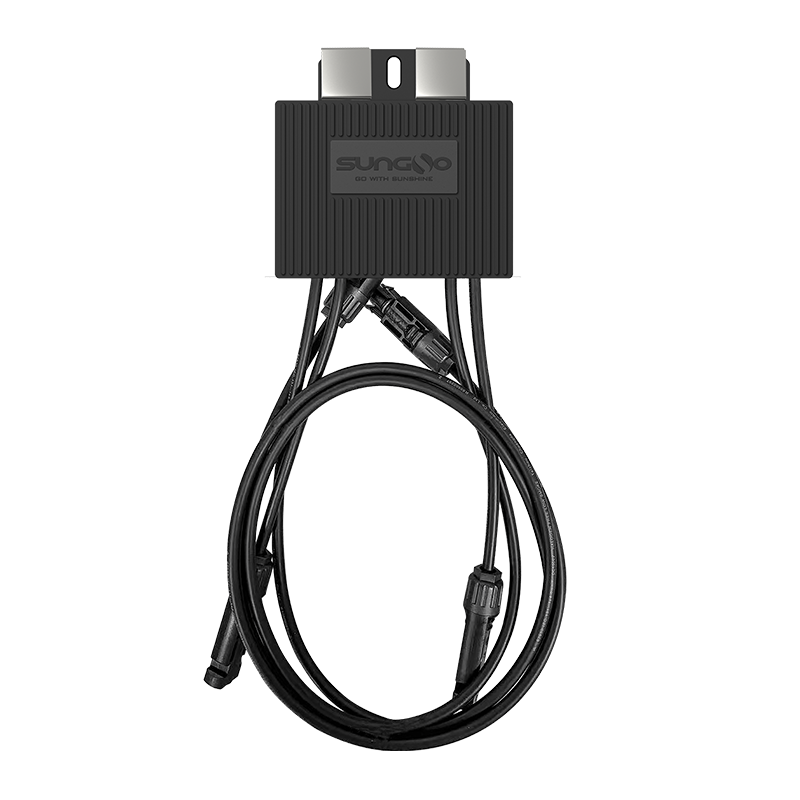
Manufacturing Module Mismatch In the manufacturing world, we have a concept called module mismatch. It refers to when parts or components do not mesh well. You can see this kind of issue with different product types including computers, solar panels, and other electronics. Though it looks like a minor issue in the beginning, module mismatch causes a lot of bigger and critical problems later on.
In the first place, how is it possible to have a module mismatch? This can happen for several reasons. In some cases, a single product may incorporate dissimilar brands of parts by the manufacturer. As an example, if a company was manufacturing a PC, it might use a hard disk in one brand and a graphics card from another. Or they could use components that have been manufactured at different times or possibly even in different factories. These differences create variations on how the parts will interact with each other. In such scenario, the product is not able to work effectively as it should and results in problems for the user.
Mismatch of modules can create serious problems like how well your product functions. For instance, if you have a solar power optimisers system with mismatched components, it may not generate as much energy as it was built for. And that can get expensive – since you're not maximizing return on investment. You may pay a premium for a system that is simply not working as well as it could. Another case is if you have a PC with unmatching parts. In this case, it may crash as often as it should run slowly or not. This is most annoying for users who need to use their computer in day-to-day tasks like Homework and communication.
Fortunately, there are many strategies for avoiding module mismatch altogether. To illustrate, if you are constructing a solar panel system, it is crucial that ensure compatibility between all the components you utilize. So this may mean using parts made by the same manufacturer or ensuring that they have, at the very least, identical specifications – specs are information provided about how it is intended that parts should function. Likewise, if you are building a computer, so the core components must be compatible with each other. It could ensure a sense of everything running in sync.

A good practice yet again to eliminate module mismatch is testing the functionality after installation of your system. This step could solve the issue if any arise, before they are magnified. Long installation pipelines Loosely coupled software development systems Steel can be cut Create tools Quarantine paint on skins It is also a very important issue to have a professional laying out your system without. This pv optimizer individual ought to have the capabilities and understanding to make it all function properly. The difference between having a good and bad installation is often as simple as who installed the system.

Some things to remember about computer and software integration systems. To start off with, ensure that you use components compatible with your PC's OS. This might involve parts that come from the same manufacturer or compatible parts. Secondly, you need to test your system after the installation to ensure that everything is working properly. Finally, it is necessary to follow any patches and updates available for the software. By doing so it makes sure that your software and hardware compatible with each other.
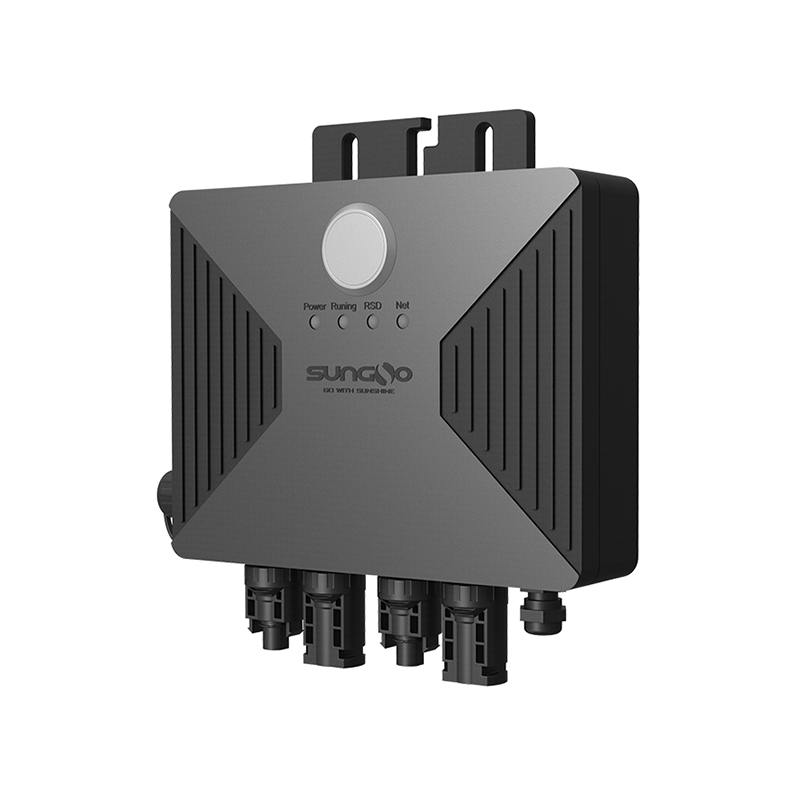
To minimize module mismatch and solar optimizer, none of our products can tolerate a difference match. We take great care to make sure that everything we produce is compatible and works seamlessly together, and this is why. We test our product using the latest technology, ensuring our products before leaving the Factory. Testing outputs confirmation that all pieces fit and work together. Further, we collaborate with our customers to prevent all forms of possible module mismatch challenge in their setups. We want everyone to easily experience our products.
We can offer you timely and top after-sales support. Now we have built our Module mismatch in many overseas countries like Brazil, Holland, Pakistan, Japan, Poland, German and other Asia and Africa countries. It is easy to reach our after-sale services.
Module mismatch is focused on research and development, application and user-side storage of PV and storage systems. We strive to provide our customers around the world top performance as well as cutting-edge PV and storage products as well as comprehensive energy solutions. Our range of products includes smart optimizers and lithium-ion energy storage systems. We offer the complete industrial chain in order to meet customer needs. We will continue to invest in RD to enhance our competitive advantages and provide products that are easier to install and maintain, as well as integrate.
SUNGO is committed to providing renewable energy solutions for our customers all over the world. Our extensive range of products and services MLPE products include solar systems with high efficiency, Module mismatch, and storage for energy (ESS) that are all designed to let you tap the power of the sun.
Since our inception, our products have been sold into more than 30 countries and regions throughout the world. To better serve our clients We adhere to the concept localized service and Module mismatch. We have established a regional subsidiary with regional subsidiaries in Japan, Netherlands and USA. In the future we plan to establish service and sales branches throughout the UK as well as in other countries.

We also post our resources on social media. Follow us!
Contact (Position): Fascinatio Boulevard 708-8530 2909 VA Capelle aan den IJssel, The Netherlands
Phone: +31 (0) 634 885 233
Email: [email protected]
Copyright © Sungo Energy Technology (Jiangsu) Co., Ltd All Rights Reserved
 EN
EN
 AR
AR
 CS
CS
 NL
NL
 FR
FR
 DE
DE
 IT
IT
 JA
JA
 PT
PT
 ES
ES
 TH
TH
 TR
TR